Oil on Fire: The Spark of a New Energy Crisis
The week begins with the market on high alert. What was geopolitical tension has turned into a real supply shock. Coordinated attacks in Saudi Arabia and the Strait of Hormuz not only halted a strategic pipeline, but also knocked global LNG supply down by 20%. The result? Brent and WTI surged, and no one knows where it stops.
Here's what really matters for your portfolio today:
---
1. Oil Hit $108 and It's Not Noise
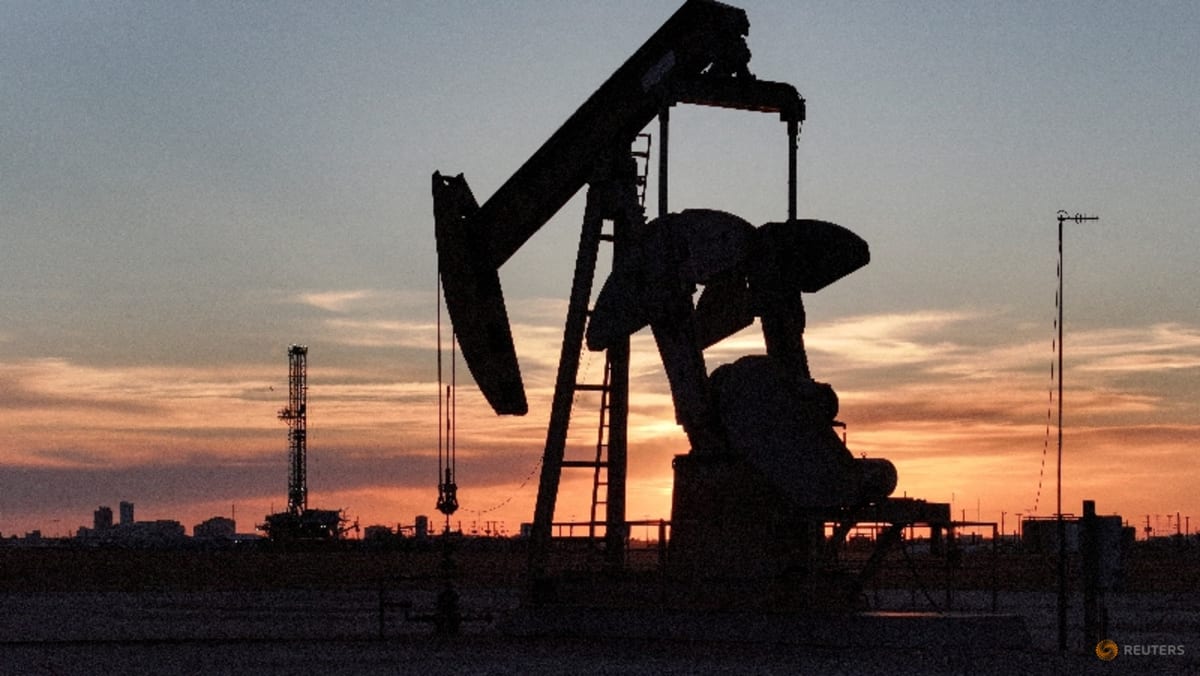
The fact: New attacks on Saudi Arabia and ships in the Persian Gulf pushed Brent to $108.23 a barrel, a gain of more than 3%, with the market pricing in the risk of severe scarcity.
My verdict: I Would Buy oil exposure now, but with surgical selectivity.
Why: The attack wasn't on an isolated field. It was on the *East-West pipeline*, the artery that takes Saudi oil out of the Gulf and into the Red Sea. That removes Saudi Arabia's escape valve. With the Strait of Hormuz also under fire, the geopolitical risk premium is here to stay. It's not a one-day spike.
Assets to keep an eye on:
- XOM (Exxon Mobil) – integrated giant, direct exposure to Brent prices.
- CVX (Chevron) – solid balance sheet, resilient dividends even in a volatile cycle.
- XLE (U.S. energy sector ETF) – diversified basket for those who don't want to pick just one stock.
- USO (oil ETF) – for those who want pure commodity movement, without company execution risk.
---
2. LNG: The Silent Crisis Worth More Than Oil
The fact: The conflict between the U.S. and Iran cut 20% of global LNG supply, and prices in Asia hit their highest level in three years.
My verdict: I Would Buy natural gas and export infrastructure companies.
Why: The world rushed to gas as an energy bridge. Now, that bridge is under bombardment. Europe is still hostage to imports, and Asia is paying a premium. Whoever controls the molecule and the ship controls the price. This doesn't get solved with a ceasefire. It takes years to rebuild routes and trust.
Assets to keep an eye on:
- LNG (Cheniere Energy) – largest U.S. LNG exporter, profits from the international spread.
- TTE (TotalEnergies) – global LNG portfolio, diversified and with dividends.
- EQNR (Equinor) – strong in European natural gas, benefiting from replacing Russian supply.
- GLNG (Golar LNG) – floating infrastructure, a strategic asset in times of bottlenecks.
---
3. Tesla: The Hangover of the Robot That Was Never Yours
The fact: JPMorgan released a note dismantling the "Tesla Network" thesis for car owners, revealing that nearly all robotaxi revenue goes to TSLA's balance sheet, not to the individual owner.
My verdict: I Would Reduce my position in TSLA if your reason was the shared robotaxi narrative.
Why: The story being sold was: "buy a Tesla, it pays for itself running as an autonomous taxi." JPMorgan basically said: that's fiction. The real business model is verticalized. The automaker captures the value. The car owner becomes just a supplier of depreciable hardware. If you bought TSLA for that, your thesis has collapsed.
Assets to keep an eye on:
- TSLA (Tesla) – still a leader in EV and autonomy, but the passive income narrative is dead.
- UBER (Uber) – if the robotaxi is centralized, Uber could be a partner or a victim, depending on the deal.
- GOOGL (Alphabet/Waymo) – own-fleet model, direct competitor to the Tesla model.
- MBLY (Mobileye) – autonomous technology supplier, exposed to any regulatory breakthrough.
---
4. Climate Is the New Systemic Risk
The fact: August 2026 came in 1.65°C above pre-industrial levels, and the eight hottest months in history were all recent, setting off a red alert among scientists.
My verdict: I Would Hold exposure to the energy transition, but with a hedge in fossil fuels.
Why: This is no longer activist talk. It's pricing risk. Insurers are already adjusting premiums. Governments will tighten regulation. Companies with a high carbon footprint will pay more to operate. At the same time, the transition isn't linear. Crises like today's show that the world still depends on fossil fuels. The balance is to have both sides.
Assets to keep an eye on:
- ICLN (clean energy ETF) – global basket of renewables, exposed to policy and demand.
- NEE (NextEra Energy) – leader in U.S. renewables, with stable cash flow.
- FSLR (First Solar) – solar panel manufacturer, benefiting from incentives.
- XOM (Exxon Mobil) – the fossil hedge that still pays the bills while the world transitions.
---
5. The Oil Card Became a Credit Card: Only Paying the Minimum
The fact: Standard Chartered warned that oil is now structurally prone to more frequent and violent spikes, with no end in sight to the Middle East conflict.
My verdict: I Would Buy volatility, not just direction.
Why: The market is no longer pricing in "if" there will be an attack. It's pricing in "when" and "where." That means oil options and volatility strategies can be smarter than just buying the commodity. The risk isn't the price going up. It's it swinging 10% in a day and knocking you out of the game.
Assets to keep an eye on:
- VXX (volatility ETF) – for those who want a hedge against fear spikes.
- OIH (oil services ETF) – operating leverage to the price of a barrel.
- SLB (Schlumberger) – field services, demand grows with accelerated drilling.
- HAL (Halliburton) – same logic, direct exposure to exploration activity.
---
Immediate Opportunities
- Integrated energy and LNG: XOM, CVX, LNG, TTE. The supply crisis won't be solved with talk.
- Oil services: SLB, HAL, OIH. Whoever drills needs services.
- Volatility as an asset class: VXX and oil options. The market is nervous, and that has a price.
- Gold hedge: GLD. Energy inflation and geopolitics tend to push the metal higher.
Risks on the Radar
- Surprise ceasefire: Any diplomatic deal knocks the oil risk premium down in minutes. Be prep





![L ([LSK]) se dispara más de 260% en siete días: ¿sostenible o burbuja de corto plazo?](https://diariobitcoin.b-cdn.net/wp-content/uploads/2026/09/canuto-imagine-1789338465.jpg)